COSMETIC AND MEDICAL
Eyelid lift surgery.
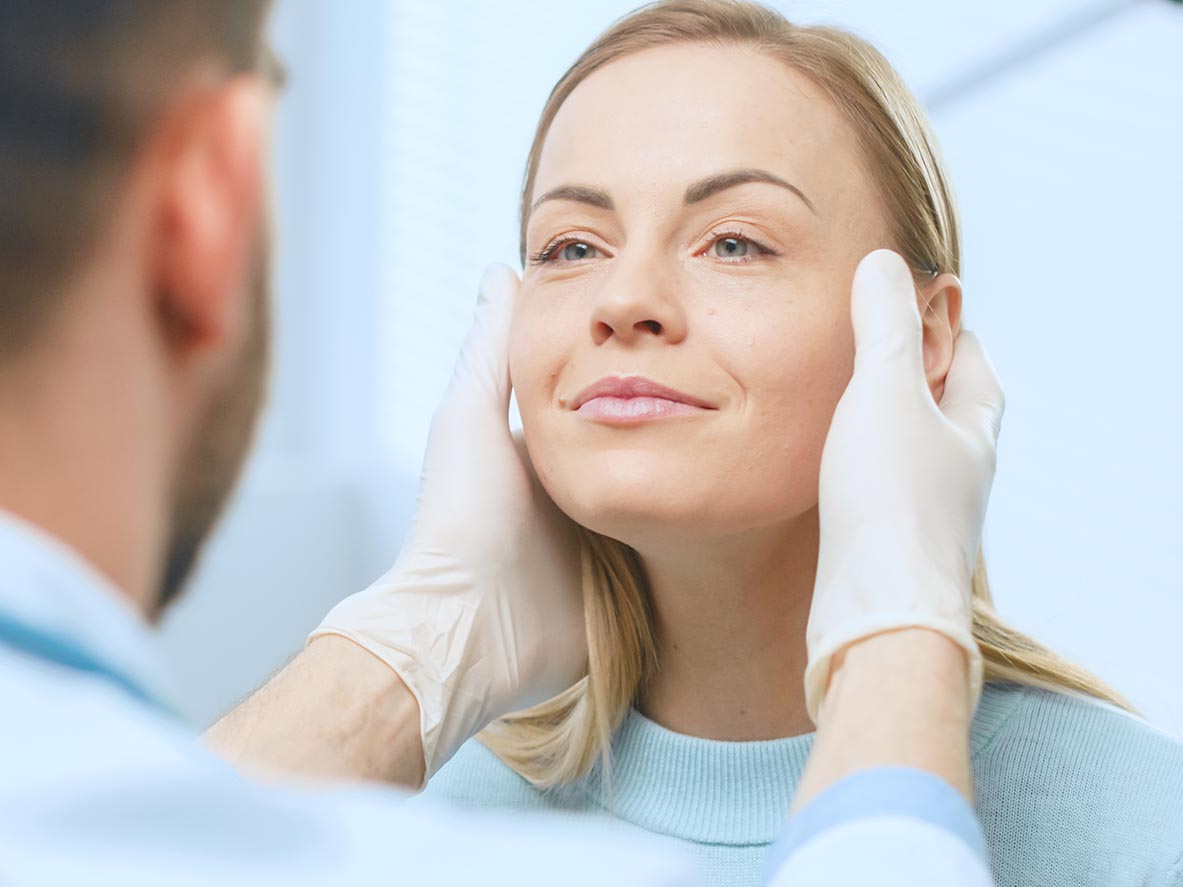
Upper and lower eyelid surgery to address excess skin and fullness, with evaluation of vision concerns.
Overview
As we age, changes around the eyes can make us appear tired, older, or less refreshed than we feel. Excess upper eyelid skin, drooping eyelids, and under-eye bags are common concerns that can affect facial balance and, in some cases, interfere with vision.
Blepharoplasty, commonly called eyelid surgery or an eyelid lift, is a surgical procedure that improves the appearance and, in some cases, the function of the upper or lower eyelids. Upper blepharoplasty can address excess or heavy eyelid skin, while lower blepharoplasty can reduce under-eye bags, puffiness, and loose skin.
At Utah Eyelid & Facial Plastic Surgery, eyelid procedures are performed by fellowship-trained oculoplastic surgeons who specialize in the anatomy, function, and appearance of the eyelids and surrounding structures.
Considering eyelid surgery in Utah? Request a consultation to learn which treatment is appropriate for your eyelids, facial anatomy, and goals.
Videos from our practice
Blepharoplasty
What Is Blepharoplasty?
Blepharoplasty is surgery of the upper or lower eyelids that removes or repositions excess skin, fat, and other tissue to improve eyelid contour and function.
The procedure may be performed for cosmetic reasons, such as reducing a heavy or tired appearance, or for functional reasons when excess upper eyelid tissue interferes with vision.
Blepharoplasty can involve the upper eyelids, lower eyelids, or both. The appropriate approach depends on your anatomy and the specific concern being treated.
What Can Eyelid Surgery Treat?
People considering blepharoplasty often describe their eyes as looking tired, heavy, hooded, puffy, or older than they feel.
Depending on the cause, eyelid surgery may address:
- Excess or loose upper eyelid skin
- Hooded upper eyelids
- Heavy-looking upper eyelids
- Skin that rests on or near the eyelashes
- Upper eyelid tissue that interferes with vision
- Persistent under-eye bags
- Bulging or protruding lower eyelid fat
- Loose lower eyelid skin
- Age-related changes around the eyes
Not every concern around the eyes is caused by excess eyelid skin. A drooping eyelid may be caused by ptosis, while a low eyebrow may contribute to upper eyelid heaviness. Under-eye swelling may also be caused by festoons rather than typical lower eyelid bags.
Identifying the underlying cause is an important part of determining the appropriate treatment.
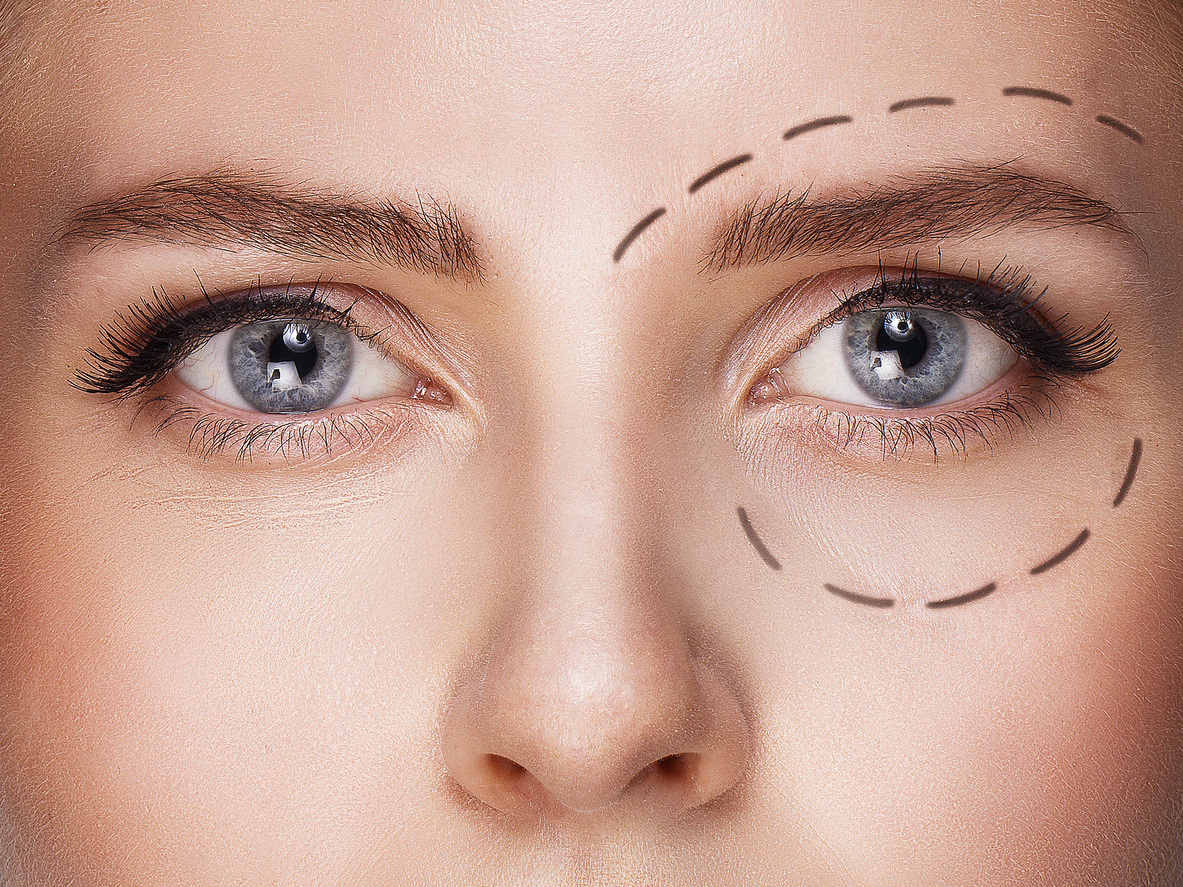
Upper and lower blepharoplasty treat different areas and concerns.
Upper Blepharoplasty
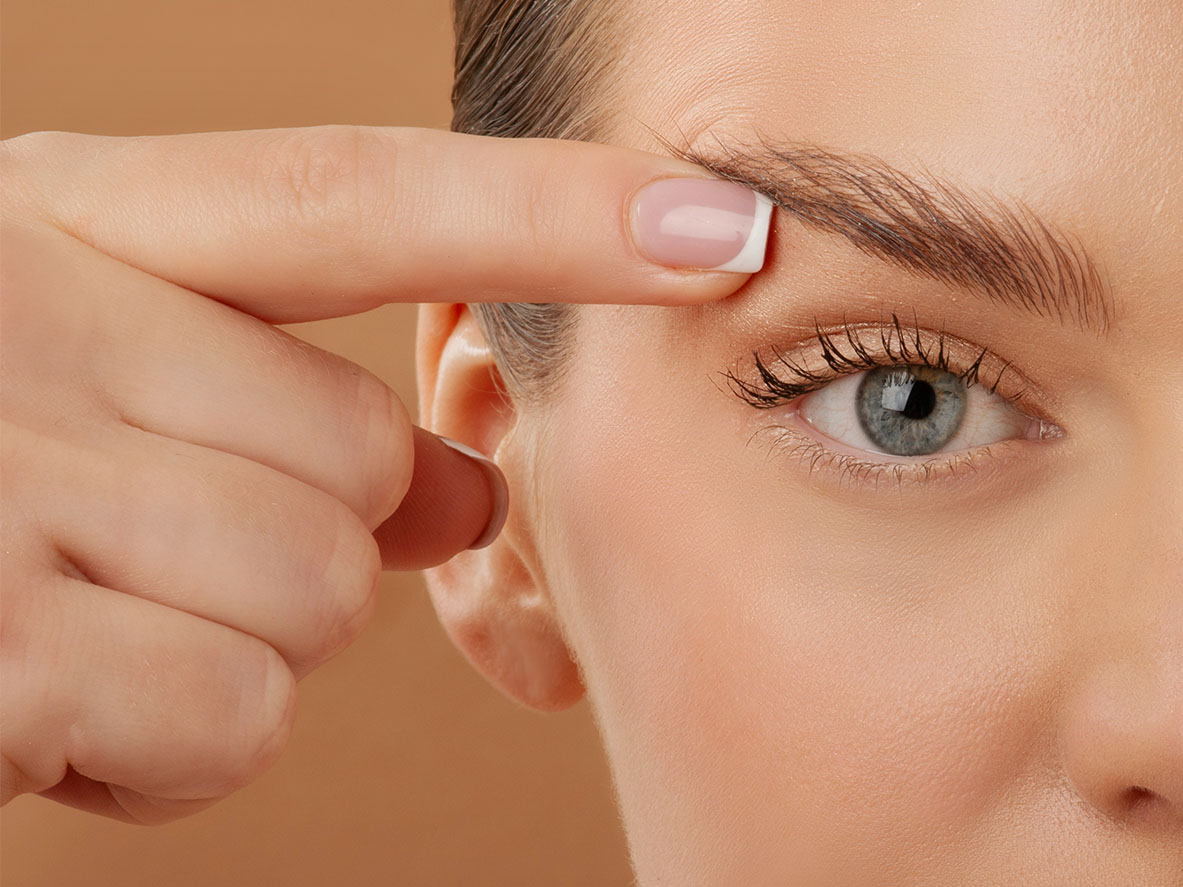
Upper eyelid surgery primarily addresses excess skin and tissue of the upper eyelid. It may be performed to improve appearance, improve function when excess tissue affects the visual field, or address both concerns.
Patients commonly consider upper blepharoplasty because their eyelids appear hooded or heavy, makeup is difficult to apply, or excess skin interferes with vision.
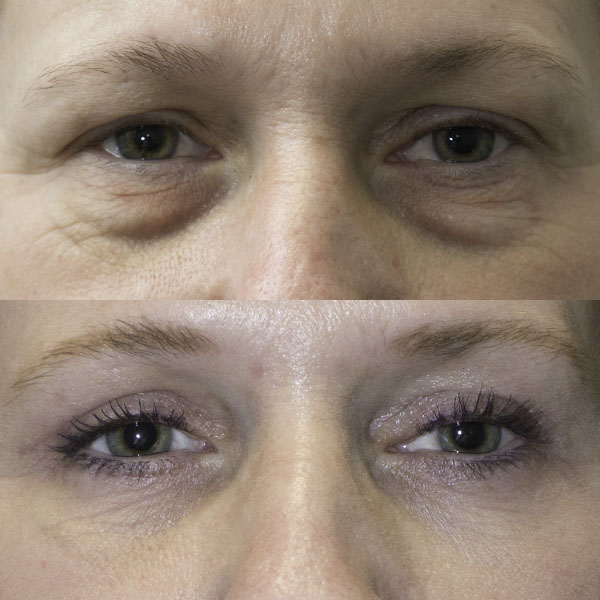
Lower Blepharoplasty
Lower eyelid surgery primarily addresses bags, bulging fat, loose skin, and other age-related changes beneath the eyes.
Rather than simply removing tissue, the surgical approach should take into account the relationship between the lower eyelid, under-eye area, and cheek to create a balanced result.
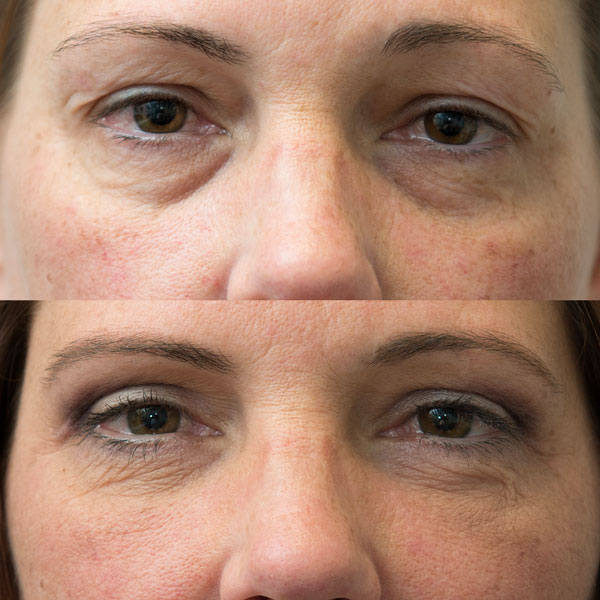
Upper and Lower Blepharoplasty
Upper and lower blepharoplasty can be performed together and also can be combined with other procedures such as eyebrow or forehead lift and midface lift.
Cosmetic vs. Functional Eyelid Surgery
Blepharoplasty can be cosmetic, functional, or a combination of the two.
Cosmetic eyelid surgery is performed primarily to improve the appearance of the eyelids and surrounding area. Patients may want to reduce hooding, under-eye bags, loose skin, or a persistently tired appearance.
Functional eyelid surgery addresses eyelid problems that interfere with vision or everyday function. For example, excess upper eyelid skin may extend far enough over the eye to restrict part of a patient’s visual field.
An examination can help determine whether your concern is cosmetic, functional, or both.
Do I Need Blepharoplasty or a Brow Lift?
A low or descending eyebrow can sometimes create or worsen the appearance of heavy upper eyelids. In those cases, removing eyelid skin alone may not address the entire problem.
Blepharoplasty treats the eyelid itself. A brow lift changes the position of the eyebrow and forehead tissues. Some patients benefit from one procedure, while others may benefit from addressing both areas.
Your surgeon will evaluate the relationship between your brows, upper eyelids, forehead, and facial anatomy before recommending treatment.
Your Blepharoplasty Consultation
Every patient has unique facial anatomy and goals. A consultation at Utah Eyelid & Facial Plastic Surgery provides an opportunity to discuss your concerns and learn about your treatment options.
Am I a Candidate for Eyelid Surgery?
You may be a candidate for blepharoplasty if excess eyelid skin, hooding, under-eye bags, or other structural changes around your eyes affect your appearance, vision, or daily activities.
Age alone does not determine whether someone is a candidate. Genetics, facial anatomy, eyelid function, overall health, previous procedures, and your specific goals all matter.
A consultation with an oculoplastic surgeon can also determine whether your concern is actually caused by excess eyelid tissue or whether ptosis, brow position, festoons, or another condition should be addressed instead.
Blepharoplasty vs. Ptosis Repair
Blepharoplasty and ptosis repair are not the same procedure.
Blepharoplasty generally addresses excess eyelid skin, fat, and related tissue.
Ptosis repair treats an upper eyelid that sits too low because of a problem involving the structures that elevate the eyelid.
A patient can have excess upper eyelid skin, ptosis, or both conditions at the same time. Because they can look similar, an eyelid examination is important for determining which condition is causing the drooping or heaviness.
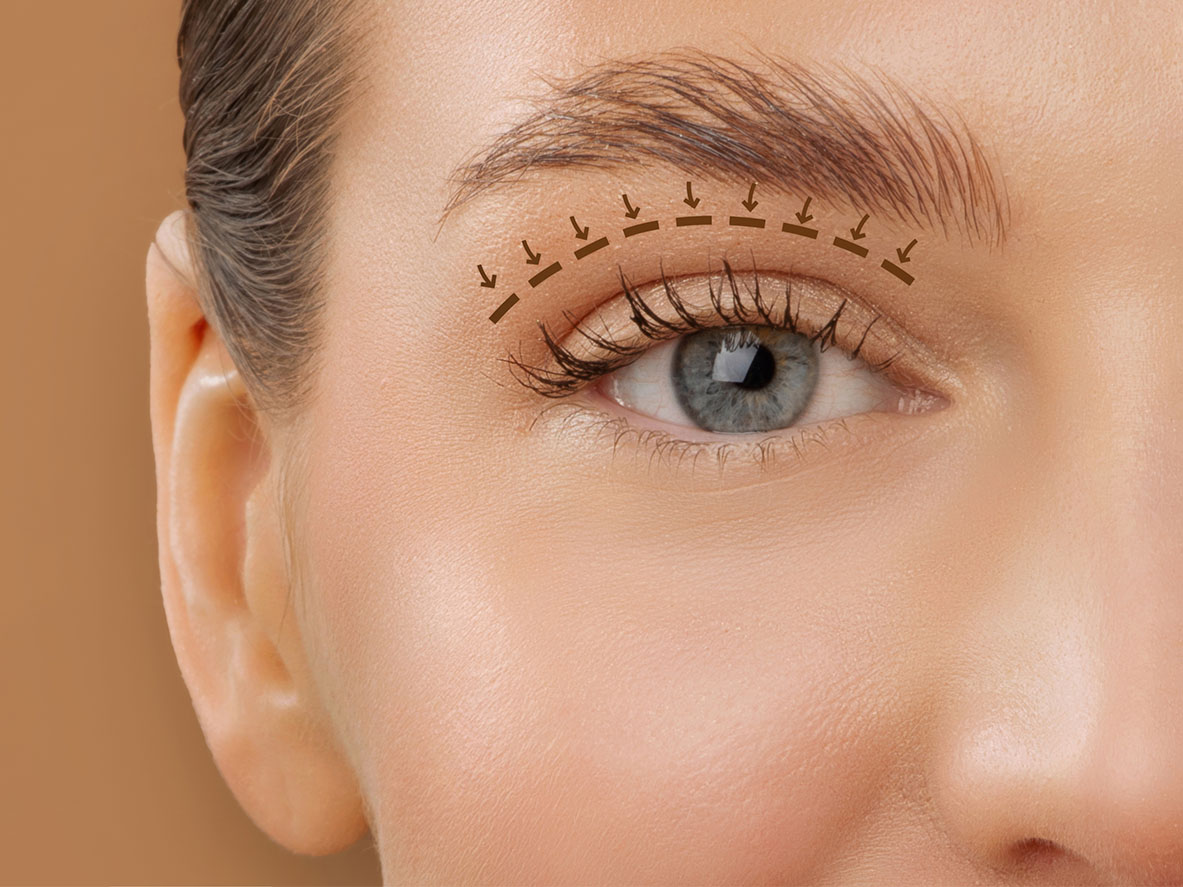
Can Eyelid Surgery Improve Vision?
Yes, in appropriate patients. When excess upper eyelid tissue obstructs part of the visual field, functional eyelid surgery may improve the amount of unobstructed vision.
However, not every heavy or drooping eyelid is caused by excess skin. Ptosis, eyebrow position, and other conditions can also affect how open the eye appears and may require a different treatment.
What Happens During Blepharoplasty?
Blepharoplasty is customized to the patient’s anatomy and whether the upper eyelids, lower eyelids, or both are being treated.
During upper blepharoplasty, the surgeon works through a carefully planned incision in the natural upper eyelid crease to address the skin and other tissue contributing to heaviness or hooding.
Lower eyelid surgery may involve removing or repositioning fat and addressing loose skin or supporting structures when appropriate. The specific technique depends on the patient’s anatomy and the cause of the under-eye concern.
During your consultation, your surgeon can explain the recommended technique, surgical setting, anesthesia plan, expected recovery, and whether another procedure should be considered at the same time.
What Is Recovery Like After Blepharoplasty?
Bruising and swelling are expected after eyelid surgery and generally improve as healing progresses. Recovery varies depending on whether upper eyelid surgery, lower eyelid surgery, or multiple procedures were performed.
Your surgical team will provide instructions for caring for the area after surgery, managing swelling, protecting the incisions, and returning safely to normal activities.
Because healing varies from person to person, patients should follow their surgeon’s individualized instructions rather than relying on a single recovery timeline.
Why Choose Utah Eyelid & Facial Plastic Surgery for Eyelid Surgery?
The eyelids are delicate structures that require specialized knowledge and surgical expertise. Utah Eyelid & Facial Plastic Surgery focuses specifically on eyelid and facial procedures, allowing our surgeons to provide advanced care for both cosmetic and functional concerns.
Patients choose our practice because of:
- Fellowship-trained oculoplastic surgeons
- Specialized expertise in eyelid and facial anatomy
- Experience with cosmetic and functional eyelid procedures
- Advanced surgical techniques
- Commitment to natural-looking results
- Patient-centered care and detailed evaluations
Our approach combines medical expertise with an understanding of facial aesthetics to help patients achieve results that look natural and balanced.
Schedule an Eyelid Surgery Consultation in Utah
If heavy or hooded upper eyelids, under-eye bags, drooping eyelids, or changes around your eyes are bothering you, the first step is determining what is actually causing the concern.
An evaluation at Utah Eyelid & Facial Plastic Surgery can help determine whether upper blepharoplasty, lower blepharoplasty, ptosis repair, brow surgery, or another treatment is appropriate for you.
Request a consultation with Utah Eyelid & Facial Plastic Surgery.
More about our eyelid surgery techniques
Upper Blepharoplasty
Eyelid surgery or blepharoplasty (pronounced “blef-a-ro-plasty”) can give the eyes a more youthful look by removing excess skin, bulging fat, and lax muscle from the upper or lower eyelids. If the sagging upper eyelid skin obstructs peripheral vision, blepharoplasty can eliminate the obstruction and expand the visual field.
Lower Blepharoplasty
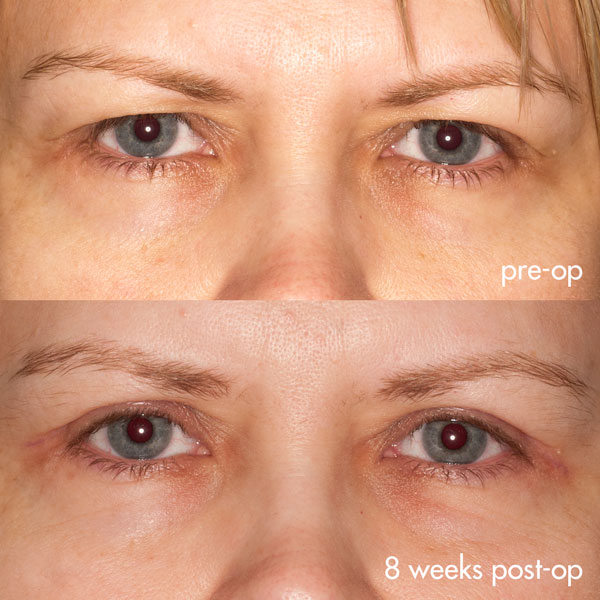
Fat in the lower eyelids can be removed or repositioned through an incision hidden on the inner surface of the eyelid. Repositioning the fat into the tear troughs, helps reduce under eye circles, as seen in the picture below. A chemical peel can be performed at the same time if desired, to smooth and tighten the lower lid skin. If there is excessive skin in the lower lid, it is removed through an incision made just below the lashes. The incision is then closed with fine sutures, which leave very minimal scarring.
Upper and Lower Blepharoplasty
Upper and lower blepharoplasty can be performed together and also can be combined with other procedures such as eyebrow or forehead lift and midface lift.
A FEW COMMON QUESTIONS
More clarity.
More confidence.
How Long Do Blepharoplasty Results Last?
Blepharoplasty can produce long-lasting changes because surgically removed tissue does not simply grow back. However, eyelid surgery does not stop the natural aging process.
Skin, brows, eyelids, and surrounding facial tissues will continue to change over time. Genetics, sun exposure, skin quality, lifestyle, and other factors can influence how the area ages after surgery.
The goal is not to stop aging, but to create an improvement that remains balanced with the rest of your face as you continue to age.
Are Blepharoplasty Scars Visible?
Blepharoplasty does involve surgical incisions, but incision placement is planned to make scars as inconspicuous as reasonably possible.
For upper blepharoplasty, the incision can usually be positioned within the natural eyelid crease. Lower eyelid incision placement depends on the technique selected and the anatomy being treated.
Scars change as they heal, and individual healing varies. Your surgeon can explain the planned incision and expected scar location before surgery.
What Are the Risks of Eyelid Surgery?
Like any surgical procedure, blepharoplasty has potential risks and complications. These can vary according to the type and extent of surgery and your individual health and anatomy.
Your surgeon should review the risks, benefits, alternatives, expected outcome, and postoperative care with you before you decide to proceed.
This discussion is particularly important around the eyes because eyelid position and function help protect the ocular surface in addition to affecting appearance.
How Much Does Blepharoplasty Cost in Utah?
The cost of eyelid surgery varies according to the procedure being performed, whether upper or lower eyelids are treated, whether other procedures are combined with blepharoplasty, and other aspects of the surgical plan.
After evaluating your eyelids and discussing your goals, our team can explain the recommended treatment and associated costs.
Cosmetic blepharoplasty is generally self-pay. When eyelid surgery is being considered for a functional problem affecting vision, insurance requirements may be different.
Does Insurance Cover Blepharoplasty?
Insurance may provide coverage for certain medically necessary eyelid procedures when the eyelid condition affects vision or function and the insurer’s coverage requirements are met.
Cosmetic eyelid surgery performed solely to change appearance is generally not covered.
Coverage requirements vary by insurance plan, and eligibility cannot be determined simply by how heavy the eyelids look. Evaluation and documentation may be required to establish whether a procedure meets an insurer’s medical-necessity criteria.
Why Choose an Oculoplastic Surgeon for Eyelid Surgery?
An oculoplastic surgeon is an ophthalmologist who has completed additional specialized surgical training involving the eyelids, eye socket, tear drainage system, and surrounding facial structures.
That combination of eye care and reconstructive/cosmetic surgical training is particularly relevant to blepharoplasty because eyelids have both an aesthetic role and an important functional role in protecting the eyes.
Utah Eyelid & Facial Plastic Surgery’s physicians focus on cosmetic and functional oculoplastic and facial surgery. Dr. Matheson Harris and Dr. Douglas Marx are board-certified ophthalmologists who completed fellowship training in eyelid and facial plastic surgery.
Is blepharoplasty the same as an eyelid lift?
Yes. “Eyelid lift” is a common nonmedical term for blepharoplasty. The surgery can address excess skin, fat, and other tissue of the upper or lower eyelids, depending on the patient’s needs.
Does blepharoplasty remove under-eye bags?
Lower blepharoplasty can treat many under-eye bags caused by protruding or displaced fat and related structural changes. However, not every under-eye bulge is a typical eyelid bag. Festoons and other conditions may require a different approach.
Can blepharoplasty improve peripheral vision?
It may improve the visual field when excess upper eyelid tissue physically obstructs vision. An evaluation can determine whether excess skin, ptosis, brow position, or another condition is responsible.
What's the difference between ptosis repair and blepharoplasty?
Blepharoplasty primarily addresses excess eyelid skin and related tissue. Ptosis repair corrects an upper eyelid that sits too low because of the structures responsible for lifting the eyelid. Some patients have both conditions.
How long does eyelid surgery take?
The length of blepharoplasty surgery depends on whether upper eyelid surgery, lower eyelid surgery, or a combination procedure is performed. Your surgeon will discuss the expected procedure details during your consultation.
Can upper and lower blepharoplasty be performed together?
They can be combined in appropriate patients when both upper and lower eyelid concerns need treatment. Your surgeon will determine whether combined surgery is appropriate for your anatomy, health, and goals.
How long does it take to recover from eyelid surgery?
Recovery depends on the procedure and the individual. Bruising and swelling are common early in recovery and improve over time. Your surgeon will provide a personalized timeline for returning to work, exercise, makeup, contact lenses, and other activities.
Will eyelid surgery make me look different?
The goal of well-planned blepharoplasty is typically to improve the concerns being treated while maintaining balance with your natural facial features. The amount and type of change depend on your anatomy and surgical plan.
Does eyelid surgery hurt?
Comfort varies by patient and procedure. Your surgeon will discuss anesthesia, postoperative discomfort, and pain-management instructions as part of your surgical plan.
How old should I be before considering blepharoplasty?
There is no specific age requirement for eyelid surgery. Many patients consider the procedure when they develop eyelid changes that affect appearance or function.
Should I choose an oculoplastic surgeon for blepharoplasty?
Oculoplastic surgeons receive specialized training in surgery involving the eyelids and surrounding eye structures after ophthalmology training. Patients considering eyelid surgery may want to consider a surgeon’s specific training, experience with eyelid procedures, board certification, before-and-after results, and approach to both eyelid appearance and function.
Treatment plans and recovery vary. Your consultation is the place to discuss your individual needs, risks, and options.
EXPLORE YOUR OPTIONS
Related care.
01Explore treatment02Explore treatment03Explore treatment
Brow and forehead lifts
Explore brow and forehead lift approaches based on eyebrow position, facial structure, and your goals.
Droopy eyelids (ptosis)
Evaluation and surgical treatment for a drooping upper eyelid that can interfere with vision.
Festoons
Treatment options for pockets of swelling where the upper cheeks meet the lower eyelids.
FROM THE PATIENT BLOG