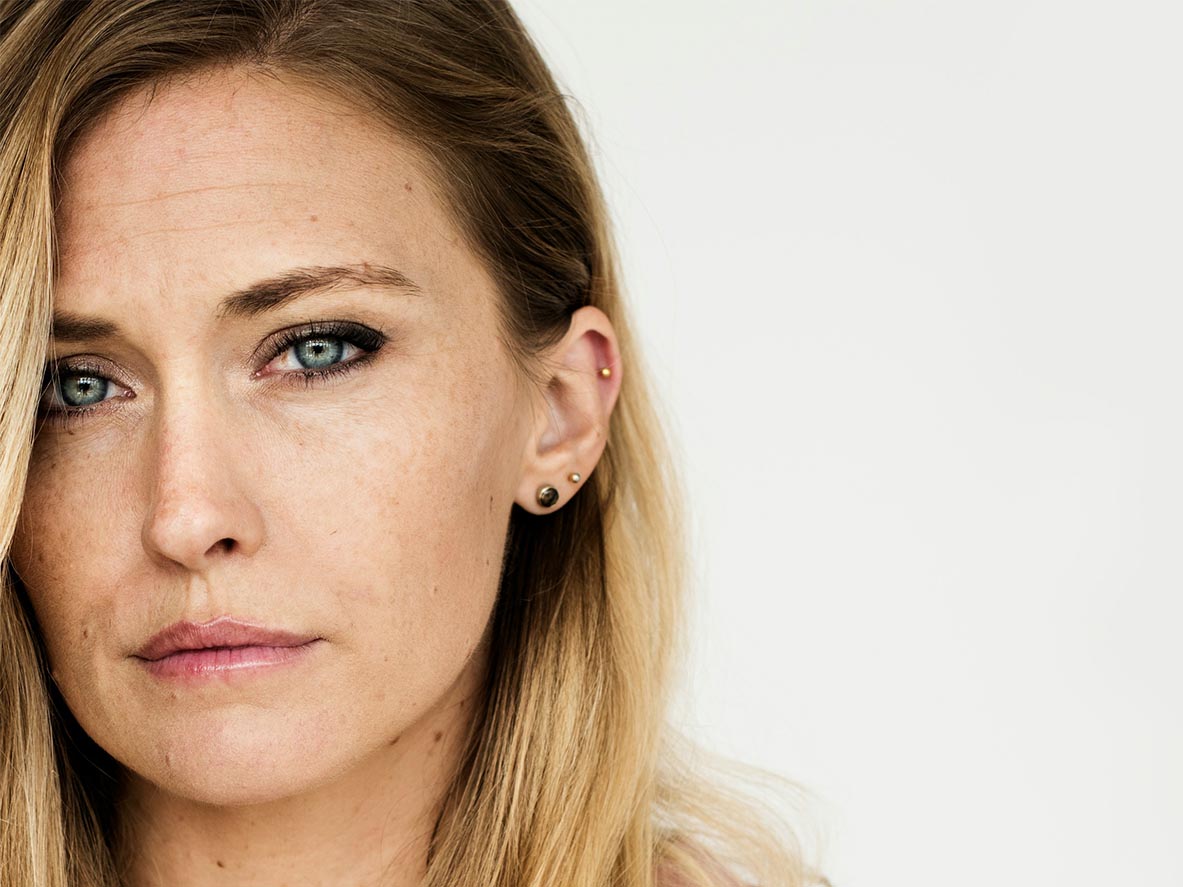
Do your eyelids feel heavy by the end of the day? Do you find yourself raising your eyebrows to see more clearly or struggling to keep your eyes fully open while reading, driving, or working?
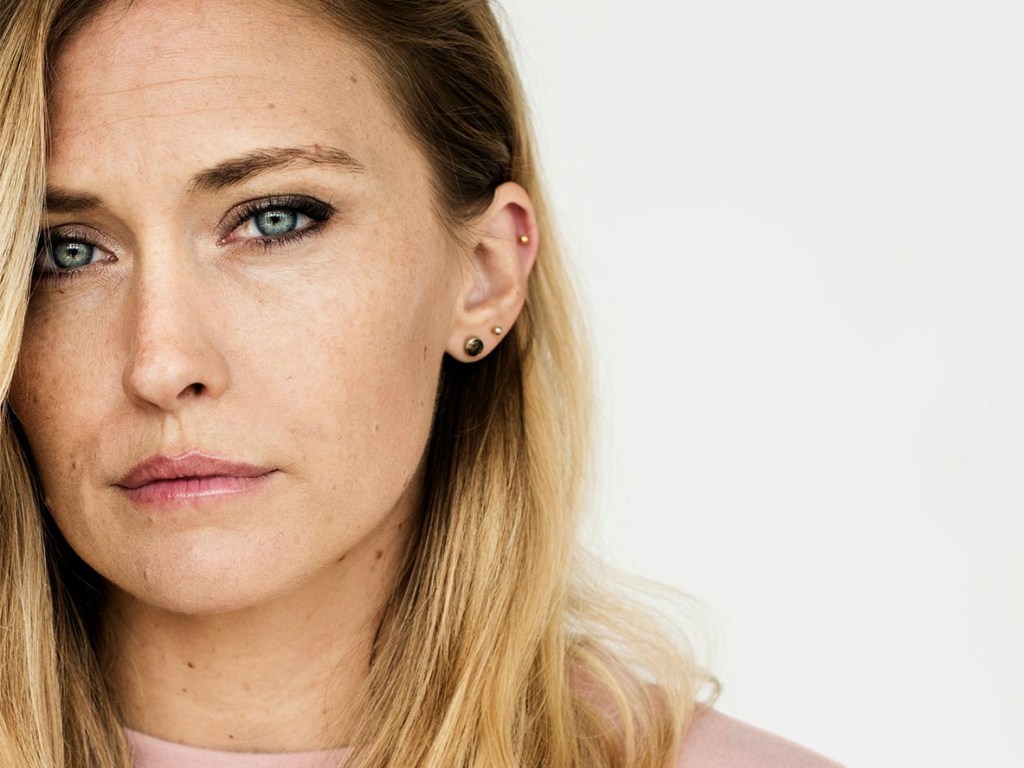
While fatigue can make your eyes feel tired temporarily, persistently heavy eyelids are often caused by changes in the eyelids or surrounding tissues—not simply a lack of sleep.
In many cases, heavy eyelids are a sign of a treatable condition, and some patients may even qualify for insurance-covered treatment if their vision is affected.
What Causes Heavy Eyelids?
Several conditions can cause your eyelids to feel unusually heavy. The most common include excess upper eyelid skin, drooping eyelids (ptosis), a low brow position, or a combination of these changes.
Determining the underlying cause is the first step toward finding the right treatment.
Excess Upper Eyelid Skin (Dermatochalasis)
As we age, the skin around our eyes naturally loses elasticity. Over time, the upper eyelid skin may begin to stretch and hang over the eyelashes.
This extra tissue can make your eyelids feel heavy and create the sensation that you’re constantly trying to hold your eyes open.
Common symptoms include:
- Heavy or hooded upper eyelids
- Difficulty applying makeup
- Eye fatigue during reading or computer work
- Reduced upper or peripheral vision
- A tired or older appearance
For some patients, excess skin becomes significant enough to interfere with everyday activities.
Drooping Eyelids (Ptosis)
Sometimes the issue isn’t excess skin—it’s the eyelid itself.
Ptosis occurs when the muscle that lifts the upper eyelid weakens or stretches, causing the eyelid to sit lower than normal.
Unlike dermatochalasis, ptosis affects the eyelid’s position and may require a different surgical approach.
Signs of ptosis include:
- One eyelid sitting lower than the other
- Difficulty keeping your eyes open
- Constant eyebrow lifting
- Forehead strain or headaches
- Eyes that appear sleepy or partially closed
Because the symptoms can be similar, it’s important to have an experienced eyelid specialist determine whether heavy eyelids are caused by excess skin, ptosis, or both.
Brow Position Can Also Make Your Eyelids Feel Heavy
Your eyebrows play an important role in supporting the upper eyelids.
As the brow naturally descends with age, it can push additional skin onto the upper eyelids, creating heaviness even when the eyelid muscles themselves are functioning normally.
Many patients believe they need eyelid surgery when the primary issue is actually the brow—or they may benefit from treating both areas together.
A comprehensive evaluation looks at the entire upper face to identify the true source of your symptoms.
Can Heavy Eyelids Affect Vision?
Yes.
Heavy eyelids can gradually reduce your upper field of vision, making daily activities more challenging.
You may notice that you:
- Have difficulty reading for long periods
- Need to tilt your head backward to see clearly
- Raise your eyebrows throughout the day
- Feel eye strain or fatigue
- Have trouble driving, especially when looking upward
- Notice your vision seems blocked near your eyelashes
Because these changes often happen gradually, many people don’t realize how much their eyelids are affecting their vision until after treatment.
Can Heavy Eyelids Be Treated?
Treatment depends on what’s causing your symptoms.
Your surgeon may recommend:
Upper Blepharoplasty
If excess upper eyelid skin is causing heaviness, an upper blepharoplasty removes the excess skin and tissue to create a lighter, more open appearance.
Ptosis Repair
If the eyelid muscle has weakened, ptosis repair restores the eyelid to a more natural position, improving both vision and eyelid function.
Brow Lift
If a low brow is contributing to heaviness, a brow lift may be recommended alone or in combination with eyelid surgery.
Your treatment plan should be personalized based on your anatomy, symptoms, and goals.
Could Insurance Cover Treatment?
Many people assume eyelid surgery is always cosmetic.
In reality, if heavy eyelids interfere with your vision or daily activities, your procedure may qualify as medically necessary.
Depending on your diagnosis and insurance plan, your evaluation may include:
- A comprehensive eye examination
- Eyelid measurements
- Clinical photographs
- Visual field testing
- Documentation of your symptoms
If you meet your insurance company’s medical necessity criteria, treatment may be eligible for coverage.
When Should You Schedule an Evaluation?
If your eyelids consistently feel heavy, don’t assume it’s simply part of getting older.
A consultation can determine whether your symptoms are caused by excess skin, ptosis, brow position, or another condition—and whether treatment could improve your comfort, vision, and quality of life.
Frequently Asked Questions
Why do my eyelids feel heavy all the time?
Heavy eyelids are commonly caused by excess upper eyelid skin, drooping eyelids (ptosis), a low brow position, or age-related changes that place additional weight on the eyelids.
Can heavy eyelids affect my vision?
Yes. Heavy eyelids can reduce your upper field of vision and make activities like reading, driving, or working on a computer more difficult.
How do I know if I have ptosis or excess skin?
Both conditions can feel similar, but they affect different parts of the eyelid. A comprehensive examination can determine whether the problem is excess skin, a weakened eyelid muscle, brow descent, or a combination of these factors.
Will insurance cover treatment for heavy eyelids?
If your heavy eyelids interfere with vision or daily function, treatment may qualify for insurance coverage. Coverage depends on your diagnosis, examination findings, and your insurance company’s medical necessity guidelines.
Is heavy eyelid surgery only cosmetic?
No. While some procedures are performed to improve appearance, others are functional and intended to restore vision and relieve symptoms caused by drooping eyelids.
Quick Answer
Heavy eyelids are often caused by excess upper eyelid skin, drooping eyelids (ptosis), a low brow position, or a combination of these age-related changes. These conditions can make your eyes feel tired, reduce your field of vision, and interfere with everyday activities. A comprehensive evaluation can determine the underlying cause and whether treatment may be medically necessary.
Many patients are surprised to learn that their heavy eyelids may qualify for insurance-covered treatment. If your eyelids are affecting your vision or daily activities, schedule a consultation with Utah Eyelid & Facial Plastic Surgery to learn about your treatment options and determine whether you may be a candidate for functional eyelid surgery.
This article is provided for general education. Your surgeon can discuss how this information applies to your care.
Book a consultation