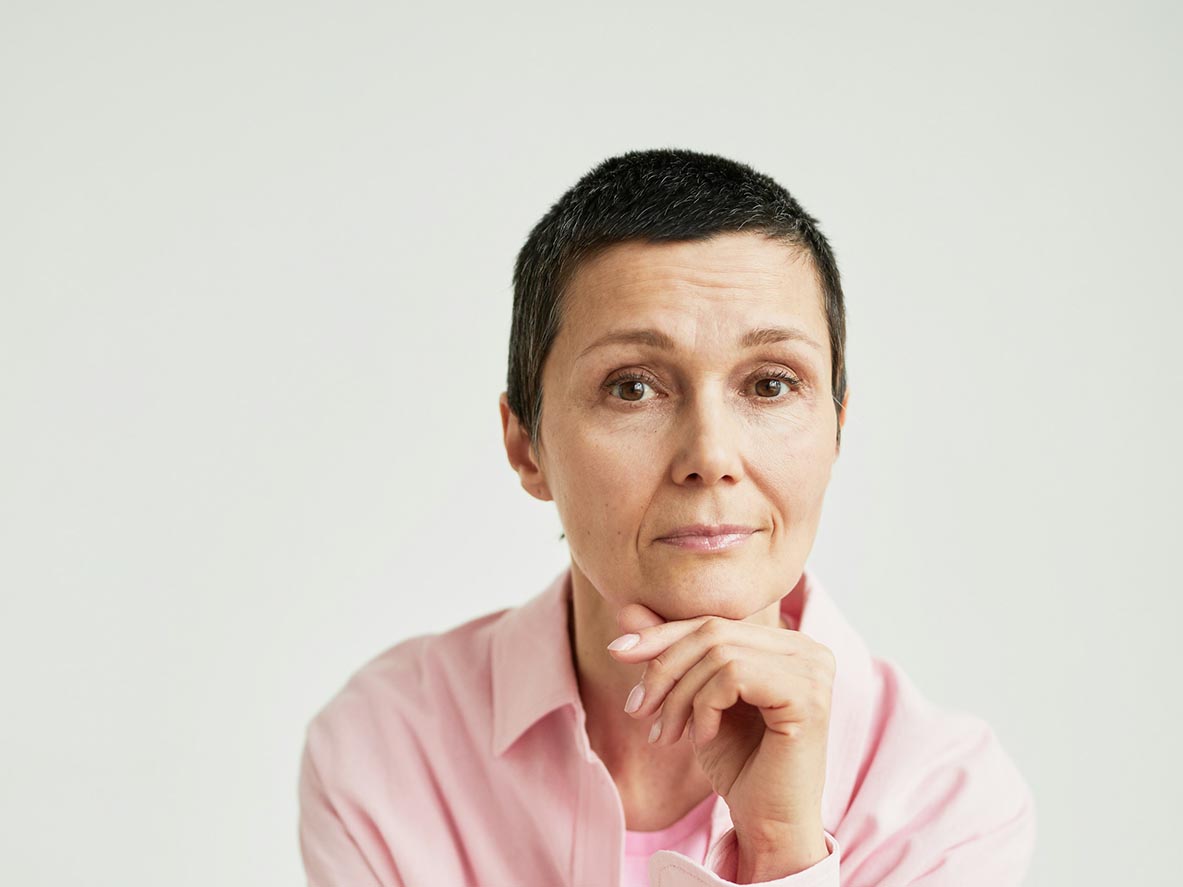
Have you ever looked in the mirror and thought, “Why do I look so tired?” Even after a full night’s sleep, your eyes may still appear heavy, droopy, or worn out. While lack of sleep can certainly contribute to a tired appearance, it’s often not the only reason. The eyes are one of the first areas of the face to show signs of aging. Changes in the eyelids, brows, and surrounding tissues can create a fatigued appearance that doesn’t reflect how you actually feel.
Common Reasons Your Eyes Look Tired
Excess Upper Eyelid Skin
As we age, the skin around the eyes naturally loses elasticity. This can cause the upper eyelid skin to stretch and droop, creating a hooded appearance.
Many people describe this feeling as having “heavy eyelids” or feeling like they have to work harder to keep their eyes open throughout the day.
In some cases, excess eyelid skin can even begin to interfere with vision.
Droopy Eyelids (Ptosis)
Ptosis occurs when the muscle responsible for lifting the eyelid weakens or stretches over time.
Unlike excess skin, ptosis causes the eyelid itself to sit lower than normal, making the eyes appear smaller and more fatigued.
Common signs of ptosis include:
- One eyelid appearing lower than the other
- Difficulty keeping your eyes fully open
- Forehead strain from constantly raising your brows
- A tired or sleepy appearance
Under-Eye Bags
Under-eye bags are another common reason people look tired.
As we age, the tissues supporting the lower eyelids weaken, allowing fat beneath the eyes to become more visible. This can create puffiness, shadows, and a persistent tired appearance.
Unfortunately, under-eye bags are often caused by structural changes rather than poor sleep alone.
Brow Descent
Many people assume their eyelids are the problem when the real issue is a drooping brow.
Over time, the eyebrows can gradually settle lower on the face, pushing excess skin onto the upper eyelids. This can create the appearance of heavy eyelids and contribute to a tired or aged look.
A comprehensive evaluation helps determine whether the eyelids, brows, or both are contributing to your concerns.
Volume Loss Around the Eyes
Aging doesn’t just involve sagging skin. We also lose volume in the temples, upper eyelids, and areas around the eyes.
This volume loss can create hollowing and shadows that make the eyes appear sunken or fatigued, even when you’re well rested.
Can Lack of Sleep Cause Tired-Looking Eyes?
Yes—but usually only temporarily.
Poor sleep can contribute to:
- Puffiness
- Dark circles
- Redness
- Swelling
However, if your eyes consistently look tired regardless of how much sleep you get, there is often an underlying anatomical cause that won’t improve with rest alone.
Can Non-Surgical Treatments Help?
Depending on the cause, non-surgical treatments may improve the appearance of tired eyes.
Options may include:
- Neuromodulators such as Botox
- Dermal fillers
- Skin resurfacing treatments
- Medical-grade skincare
These treatments can be effective for mild concerns but may not fully address significant excess skin, ptosis, or under-eye bags.
When Is Eyelid Surgery the Best Option?
Eyelid surgery may be recommended when excess skin, drooping eyelids, or under-eye bags are the primary cause of a tired appearance.
Common procedures include:
Upper Blepharoplasty
Removes excess skin and tissue from the upper eyelids to create a more open, refreshed appearance.
Lower Blepharoplasty
Addresses puffiness and under-eye bags by repositioning or removing excess fat and tightening the lower eyelid area.
Ptosis Repair
Corrects a weakened eyelid muscle to improve eyelid position and restore a more alert appearance.
Brow Lift
Raises a descended brow that may be contributing to heaviness around the eyes.
The best treatment depends on the specific cause of your concerns, which is why a personalized evaluation is so important.
How Do I Know What’s Causing My Tired Appearance?
Many patients are surprised to learn that what they thought was an eyelid problem is actually related to their brows—or vice versa.
A consultation with an eyelid and facial plastic surgery specialist can help identify:
- Excess upper eyelid skin
- Ptosis
- Brow descent
- Under-eye bags
- Volume loss
- Other age-related changes
Once the cause is identified, a treatment plan can be tailored to your goals and anatomy.
Frequently Asked Questions
Why do my eyes always look tired even when I get enough sleep?
A tired appearance is often caused by excess eyelid skin, droopy eyelids, under-eye bags, brow descent, or age-related volume loss rather than lack of sleep alone.
Can Botox fix tired-looking eyes?
Botox may help if brow position or wrinkles are contributing to your appearance, but it cannot remove excess skin or correct significant eyelid drooping.
Will eyelid surgery make me look different?
The goal of eyelid surgery is typically to help patients look more refreshed, rested, and like themselves—not dramatically different.
Can insurance cover treatment for droopy eyelids?
If drooping eyelids interfere with vision, some procedures may qualify for insurance coverage. A consultation and visual field testing can help determine eligibility.
Quick Answer
If your eyes always look tired, the cause may be excess eyelid skin, droopy eyelids, under-eye bags, brow descent, or age-related volume loss. While sleep can affect the appearance of the eyes temporarily, persistent tired-looking eyes often have an anatomical cause that may benefit from professional evaluation and treatment.
If you’re concerned about heavy eyelids, under-eye bags, or a consistently tired appearance, the specialists at Utah Eyelid & Facial Plastic Surgery can help identify the cause and recommend the most appropriate treatment options.
This article is provided for general education. Your surgeon can discuss how this information applies to your care.
Book a consultation